

Why Sustainability Isn’t a Trend for Us.... It’s Personal
Years ago, long before Not Naked Swimwear existed, I worked on a project with the Surfrider Foundation focused on protecting our oceans.
The mission was simple: convince coastal retailers to stop using plastic bags and switch to more eco-friendly alternatives. If we could reduce plastic at the source, before it ever had the chance to blow into storm drains and out to sea so we could prevent harm before it started.
It sounds small. One bag at a time.
That project planted a seed.
Building a Brand With the Planet in Mind
Now, as we build Not Naked Swimwear (NNS), that seed has grown into a guiding principle: put the planet first. Why?
Because this is the only Earth we have.
The garment industry is one of the largest contributors to global waste and emissions. According to the United Nations Environment Programme, fashion significantly contributes to carbon emissions, water pollution, and textile waste. Swimwear, in particular, relies heavily on synthetic materials derived from fossil fuels. We knew entering this industry meant making conscious, research-backed decisions.
Recycled Fabrics: Turning Waste Into Swimwear

By using recycled performance fabrics (such as regenerated nylon made from post-consumer waste), swimwear brands can:
Reduce reliance on virgin petroleum inputs
Divert waste from landfills
Lower energy consumption compared to producing new synthetic fibers
Decrease overall greenhouse gas emissions
Every yard of recycled fabric represents materials that don’t end up in oceans or landfills.
Is it sometimes more expensive? Yes.
Is it worth it? Absolutely. Because circular fashion isn’t about cutting corners; it’s about closing loops.
Eco-Friendly Polymailers: Packaging With Purpose
Packaging waste is one of the most visible contributors to pollution. That’s why we researched and implemented:
Recycled-content polymailers
Compostable mailers made from ocean-bound plastic waste
Biodegradable shipping and packing solutions
Our eco-polymailers reduce dependence on virgin plastics and can significantly decrease landfill persistence compared to traditional plastic mailers. The goal is simple: your sustainable swimwear shouldn’t arrive wrapped in multiple layers of single use plastic.
Ethical Manufacturing & Smart Patterning
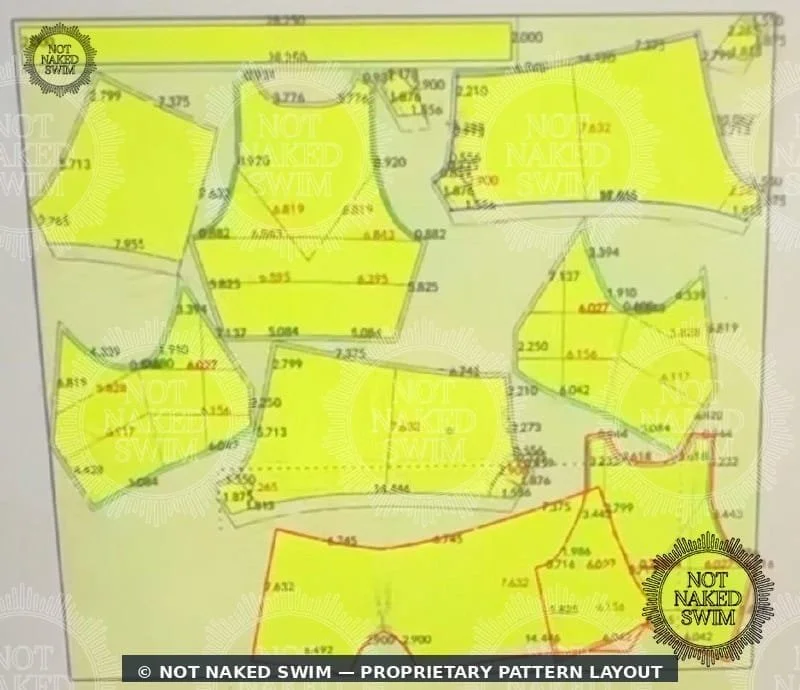
Sustainability doesn’t stop at fabric for Not Naked Swim. We are exploring production methods that:
Source materials closer to home to reduce transportation emissions
Lay garment patterns strategically to maximize fabric usage
Reduce scrap waste during cutting
Prioritize smaller production runs to avoid overstock and landfill dumping
Yes, even pattern placement can impact carbon footprint. To us every inch saved matters.
Why We Won’t Cut Corners
Could we save a dollar here or there by choosing cheaper fabrics? Yes.
Could we use conventional plastic mailers and boost margins? Of course.
But sustainability is not a line item to optimize away. It’s a commitment.
When we say Not Naked Swimwear is built differently, this is what we mean:
Sustainable swimwear made with intention
Circular fashion principles guiding design
Eco-friendly packaging
Ethical production choices that minimize waste
Community-based environmental engagement
The me who once worked on a plastic bag reduction project would expect nothing less. And as founders, mothers, and consumers, we can demand more from ourselves.
“Because we only get one planet. And we need to treat it the way it deserves, with love.”
Check out how these principles translate into real tangible products:
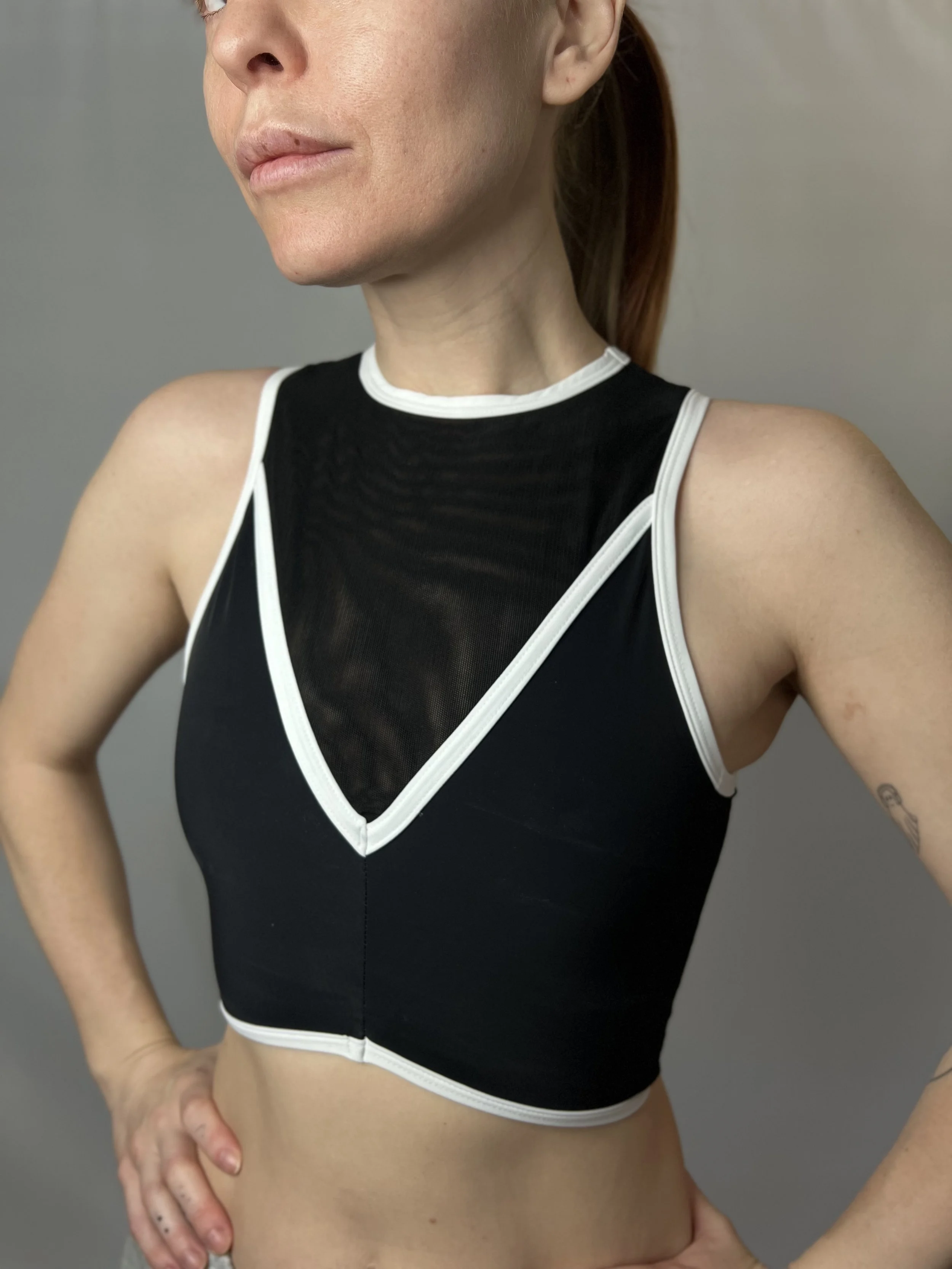
A refined mesh crop designed for coverage, confidence, and everyday versatility.
Why It’s Worth It: Designed to replace multiple tops: swim, lounge, and styled; all in one.
Sculpted V-neckline for a flattering shape
Sheer mesh panel for breathable coverage and sun protection
Contrast piping for a clean, structured edge
Double-lined for support and comfort
Made in America by skilled artisans out of sustainable recycled materials
How to wear: Wear it with matching swim shorts or style it with high-waisted trousers for a polished, off-beach look.
Size Guide | Fabric & Care instructions | Shipping & Returns
Currently shipping within the U.S. only
model is 5’2” and wearing an XS
Innovation Shout Out:
Recently, I came across a story that made me smile. Researchers at the University of Surrey developed a small robotic fish designed to detect and consume microplastics in aquatic environments. A plastic-eating robot fish "Gillbert" !
Years ago, we were asking stores to swap plastic bags and then some of us started to to bring our own re-useable bags to help prevent the problem.
But today, engineers are building robotic marine life to clean up what we failed to prevent. That gives me hope.
Organizations like The Ocean Cleanup are also engineering large-scale solutions to remove ocean plastics. Technology is stepping in, but prevention is still our responsibility.